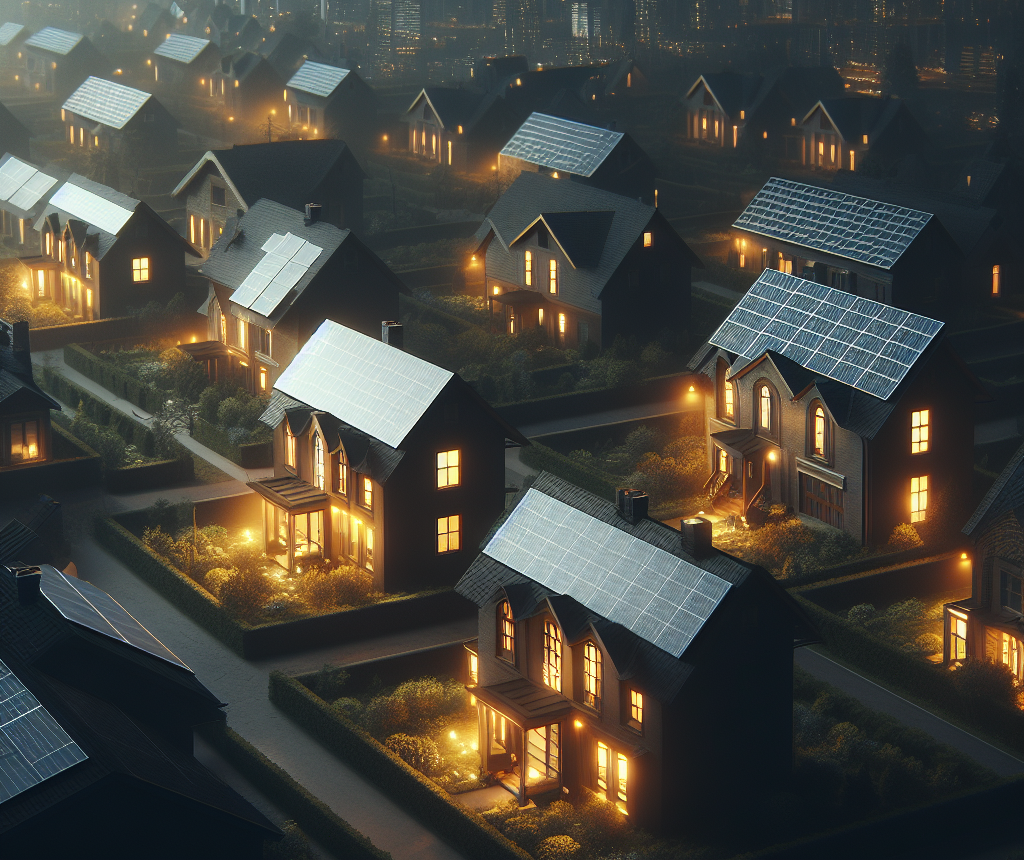
Most people size solar for small homes the wrong way.
They expect huge systems when a compact setup — like this simple solar setup guide — does the job with ease.
This guide shows what actually works in small spaces.
How Small Homes Really Use Solar Power

Small homes use far less energy than most people think.
The space is smaller.
The appliances are lighter.
And daily use drops without effort.
But here’s the part most people miss:
Small homes don’t need big, complicated systems.
They need simple power that is easy to run, easy to charge and easy to trust.
Why tiny systems often work better
Most small homes run well on:
- a compact battery
- a small set of panels
- a few low-draw appliances
This is why so many people are shocked when a simple setup keeps everything running without stress.
How the parts work together

You only need two main things:
- Solar panels to collect energy
- A battery system to store and use it
A solar generator puts everything into one unit — panels, battery, and inverter — so you don’t have to install or wire anything.
This is why it works so well in tiny spaces.
The Three Solar Setups That Work for Small Homes
Different homes need different setups, but these three cover almost every situation.

1. Plug-and-Play Solar Generator Setup (Most Popular)
This is the easiest and most reliable setup for most small homes.
It’s one unit you can set up in minutes.
Panels outside.
Battery and power inside.
No wiring. No confusion.
A compact solar generator powers:
- phones
- laptops
- lights
- fans
- routers
- mini-fridges
For many small homes, it’s enough for daily use — and it grows with you over time.
As an Amazon Associate I earn from qualifying purchases at no extra cost to you.
A good example is this solar generator, which is simple and strong enough for everyday living.
2. Fixed Panel + Battery Bank Setup

This setup takes more work but gives long-running, stable power.
Panels mount to the roof or ground.
A battery bank stores the power.
An inverter (built into many modern systems) powers your home.
It works well for people who want something permanent but still simple.
3. Hybrid Backup Setup

This setup mixes grid power with solar.
You use the grid when needed and switch to solar during outages or peak times.
It is not fully off-grid, but it cuts bills and adds security.
This is a great stepping stone for people learning how solar fits into small living.
How Many Solar Panels You Actually Need

Sizing solar is much easier than people think.
Start with your real daily use, not the size of the system you saw online.
For lights and devices
1–2 small panels is enough for daily charging.
For a fridge and essentials
2–4 panels paired with a solid battery works well.
For near full-time living
4–6 panels plus a larger battery keeps things steady.
Most people are shocked by how small these numbers are.
This is why so many overbuy solar.
Solar Power Ideas That Make Small Systems Stronger

These small upgrades create big improvements.
Panel placement
Aim panels at the best sun, even if that means a portable stand.
Battery storage
A bigger battery often helps more than a bigger panel.
Shade planning
Even small shadows cut power.
Find the clearest part of your space.
Load control
Turning off one high-draw device can double your runtime.
These simple ideas are why tiny systems often outperform expectations.
Off-Grid Power Tips Most People Miss

These are the mistakes that drain power fast.
Mistake 1: Oversizing the system
Big systems are hard to charge and cost more.
Mistake 2: Ignoring daily habits
Small shifts save huge energy.
Mistake 3: Forgetting the battery
The battery matters more than the panels in most setups.
Mistake 4: Using old appliances
Modern low-draw devices use a fraction of the power.
When you avoid these mistakes, your solar works better, lasts longer and becomes far easier to manage.
Your Simple Solar Setup Guide

For readers who want a clear breakdown of the best choices, you can explore all BeamBound picks here:
Tiny Solar Home Examples
Why Tiny Wins
Smaller rooms mean fewer lights, fewer plugs and fewer devices.
What Tiny Unlocks
A tiny home can run on a fraction of the energy a normal house uses.
How Tiny Powers
A compact generator and a few panels can run the essentials for hours.
This is why tiny solar homes often feel more stable than larger ones.
Small Home Solar Costs Explained

Solar costs depend on the size of your setup.
Minimal setup
A small generator and one panel.
Easy and affordable.
Moderate setup
A stronger generator and two to four panels.
Great for daily use.
Full-time off-grid
A large generator or battery bank with four to six panels.
Still simpler than most people expect.
Small homes give you more power for less money.

Before You Choose Your Setup
If you want a simple walkthrough of what each setup looks like in real daily use, you can read our guide on powering a tiny home with solar. It breaks everything down step by step and shows how small systems work in real life.
Read the Tiny Home Solar Guide
Start Small and Grow Over Time
You don’t need a huge solar setup to begin.
You don’t need complex wiring or expensive parts.
You just need a simple system that fits your daily life.
Start small.
Build confidence.
Let solar grow with you.
Small home solar works best when it stays simple.
If you’re exploring intentional ways to live well in smaller spaces, the Tiny Home Guide brings these ideas into a practical framework.